How to Choose the Right Co-Working Space for Your Business Needs
In the contemporary landscape of remote work, startups, and flexible teams, finding the perfect co-working space is more than just about shared desks. It’s a strategic decision that can shape your team’s productivity, brand perception, networking opportunities, and even your business’s growth trajectory. Here’s a comprehensive, search-intentoptimized guide to ensure your next move positions your business for success.
1. Clearly Define Your Business Requirements
Start by understanding your business’s unique needs. • Are you a solo entrepreneur, part of a tiny creative team, or leading a fastscaling startup? • Do you need hot desks, dedicated desks, or private cabins? • How frequently will you need meeting or conference rooms? • What level of privacy, security, or noise tolerance does your work demand? Identifying these requirements will help you filter out spaces that look appealing but aren’t a practical fit, saving you valuable time and ensuring the space supports growth and productivity.
2. Prioritize the Best Location
Location isn’t just about geography—it’s about accessibility, convenience, and impression: • Proximity to clients and partners: Choose a location that’s easy for your clients, employees, or collaborators to access. A business address in a reputed area lends credibility. • Access to public transport: Look for co-working hubs near metro, bus, or rail stations. Reduce commute hassles for everyone involved
3. Evaluate Amenities & Facilities
Every co-working space offers a different bouquet of amenities. Identify what’s truly essential for your operations:
• High-speed, reliable internet connectivity.
• Conference/meeting rooms with AV equipment.
• Printing, scanning, and mail-handling services.
• Cafes, breakout zones, lounges, and recreational areas.
• Ergonomic desks and chairs for comfort and health.
• Secure entry, locker facilities, and on-premise IT support.
4. Consider Community and Collaboration Opportunities
Co-working isn’t just about desks; it’s about people.
• Community vibe: Does the space foster a productive, friendly, and professional
culture?
• Networking potential: Are there events, workshops, and formal/informal
networking opportunities to meet possible partners, mentors, or clients
• Industry fit: Some co-working spaces specialize in sectors (tech, creative, professional services) or host like-minded businesses that can stimulate growth through collaboration.
A strong community culture can foster partnerships, collaborations, client referrals, and even new friendships.
5. Flexibility and Scalability Business needs are dynamic.
• Look for co-working spaces that offer flexible access, adjustable terms, and the ability to scale up (or downsize) your space as your team grows or contracts.
• Check if you can access multiple locations, 24/7 access (if needed), and whether you can transition between different workspace plans easily. This agility is essential for startups and growing companies that need to react to market demands quickly.
6. Understand Pricing, Contracts, and Hidden Fees
• Compare pricing transparently. Are utilities, mail handling, and cleaning included? • Ask about refundable deposits, minimum commitment periods, and any other hidden or extra fees like guest hours, locker charges, or additional printing. • Make sure the contract terms (cancellation, upgrades, or changes) align with your business projections and risk tolerance.
7. Visit and Experience the Space Nothing replaces a personal visit.
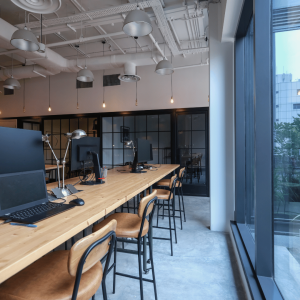
• Check for cleanliness, natural lighting, workspace layout, and overall vibe. • Test internet speeds, mobile network reception, and technology. • Observe sound levels, social atmosphere, and how staff responds to queries. • If possible, trial the workspace for a day or week before committing. First-hand experience helps you avoid surprises and sets realistic expectations.
8. Think About Security and Safety
• Ensure the building has secure entry (keycards, biometric scanners).
• Are your belongings safe? Is there adequate CCTV coverage?
• Particularly for businesses handling confidential data, ensure the workspace
design and access controls meet your privacy requirements.
9. Assess Parking and Commute Factors
• Does the space offer ample, affordable, or complimentary parking?
• If your team cycles or uses cabs, are those needs supported?
• Proximity to major roads, airports, and business hotspots is a bonus, especially if
travel is frequent.
10. Sustainability & Ambience
Modern businesses and talent appreciate workspaces that are environmentally
conscious (recycling, green materials), have plants, and plenty of natural light.
A healthy, light-filled, thoughtfully designed environment improves productivity
and morale.
11. Customer Support and Management
Quick resolution of issues, transparent communication, and approachable
community managers make a big difference to your day-to-day experience.
Test their responsiveness before you sign the contract.
12. Look for Added Business Support Services
Some premium co-working spaces go beyond just offering desks and rooms.
They provide value-added services that support your business growth, such as:
• Virtual Office Services (Business Address, Mail Handling)
• Reception & Call Handling Services
• Business Mentorship & Incubation Programs
• Legal, Financial, and Marketing Assistanc Such services can be extremely beneficial, especially for startup and small businesses that require a cost-effective business infrastructure.

 by admin
December 30, 2024
Comments Off on Virtual Offices Explained: Why They’re Essential for ModernBusinesses
by admin
December 30, 2024
Comments Off on Virtual Offices Explained: Why They’re Essential for ModernBusinesses