10 Powerful Benefits of Co-Working Spaces for Modern Businesses
Meta Description: Discover the top 10 benefits of co-working spaces including cost savings, flexibility, networking, premium amenities, and productivity boosts. Learn why co-working is the future of work.
What Is a Co-Working Space?
A co-working space is a shared office environment where freelancers, startups, SMEs, and even large enterprises work alongside other professionals in a flexible, fully equipped workspace. Unlike traditional office leases, co-working spaces offer scalable membership plans, premium amenities, and collaborative communities — without long-term commitments.
As businesses shift toward hybrid and remote work models, co-working spaces have emerged as a cost-effective and agile solution for modern teams.
10 Key Benefits of Co-Working Spaces
1. Significant Cost Savings
One of the biggest advantages of co-working spaces is cost efficiency. Traditional office leases require long-term contracts, security deposits, furniture investments, infrastructure setup, and utility management.
Co-working spaces eliminate these expenses by offering all-inclusive pricing models. Businesses only pay for what they use — whether it’s a hot desk, dedicated desk, private cabin, or meeting room.
This drastically reduces upfront costs and ongoing overhead expenses, freeing up capital for:
Marketing and branding
Product development
Hiring talent
Business expansion
For startups and small businesses, this financial flexibility directly improves cash flow.
2. Unmatched Flexibility and Scalability
Traditional office leases often require multi-year commitments. In contrast, co-working spaces offer flexible plans — daily, monthly, or yearly memberships.
Businesses can easily scale up or down based on team size and project requirements. Need extra desks for a short-term project? Add them instantly. Downsizing? Reduce space without penalties.
This scalability makes co-working ideal for:
Startups experiencing rapid growth
Freelancers with fluctuating workloads
Businesses testing new markets
Flexibility is critical in today’s fast-changing business landscape.
3. Vibrant Community and Networking Opportunities
Co-working spaces foster a dynamic professional community. Unlike traditional offices where teams operate in isolation, co-working environments encourage collaboration and idea-sharing.
You may find:
Entrepreneurs
Marketing experts
Tech professionals
Consultants
Designers
This diverse ecosystem creates organic networking opportunities, partnerships, client leads, and collaborations. Many co-working spaces also host workshops, seminars, and networking events that enhance professional growth.
4. Access to Premium Amenities
Modern co-working spaces go beyond desks and WiFi. Members typically enjoy:
High-speed secure internet
Fully equipped meeting rooms
Printing and scanning facilities
Private phone booths
Mail handling services
Lounge areas and breakout zones
Kitchen facilities with refreshments
Premium spaces may also include fitness centers, meditation rooms, event venues, and wellness areas.
These shared amenities would be expensive for small businesses to maintain independently, making co-working a highly economical solution.
5. Enhanced Productivity and Creativity
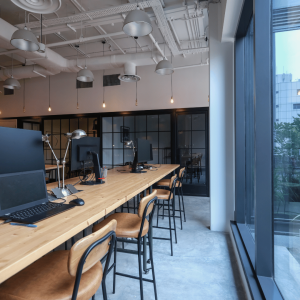
Co-working spaces are intentionally designed to boost productivity. With open layouts, natural lighting, quiet zones, and collaborative spaces, they provide the perfect balance between focus and interaction.
Working alongside motivated professionals creates a productive atmosphere that inspires creativity and accountability.
Compared to working from home, co-working spaces reduce distractions and help maintain a structured routine.
6. Prestigious and Central Business Locations
Many co-working providers operate in prime business districts and city centers. This offers businesses a prestigious address without the high rental costs associated with traditional offices in premium areas.
A professional address enhances brand credibility and improves client perception. Additionally, central locations near public transportation, restaurants, and business hubs make commuting convenient for team members.
7. Tech-Ready, Plug-and-Play Infrastructure
Setting up a traditional office requires IT infrastructure management, internet setup, and hardware maintenance. Co-working spaces are plug-and-play environments equipped with:
This allows businesses to start operations immediately without setup delays.
8. Easy Market Expansion
Co-working spaces enable businesses to test new markets with minimal risk. Whether expanding to a new city or launching a remote team, companies can establish an operational presence quickly and affordably.
Many co-working providers also offer access to multiple locations, allowing businesses to maintain geographic flexibility without signing separate leases.
9. Environmental Sustainability
Co-working spaces promote sustainable practices through shared infrastructure and efficient resource utilization.
Benefits include:
Reduced energy consumption
Shared utilities and equipment
Lower commuting emissions
Recycling and eco-friendly initiatives
For businesses focused on corporate social responsibility, co-working aligns with sustainability goals.
10. Improved Work-Life Balance and Employee Satisfaction
Flexible memberships allow employees to choose work schedules that match their productivity patterns. Many co-working spaces offer wellness-focused amenities and social events that support mental well-being.
A positive and flexible work environment leads to:
Co-Working Spaces vs Traditional Offices
| Feature | Co-Working Space | Traditional Office |
|---|
| Upfront Costs | Low | High |
| Flexibility | High | Limited |
| Scalability | Easy | Complex |
| Amenities | Premium Shared | Self-Managed |
| Lease Commitment | Short-Term | Long-Term |
For businesses prioritizing agility, collaboration, and cost efficiency, co-working spaces offer a competitive advantage.
Final Thoughts: Why Co-Working Is the Future of Work
Co-working spaces are more than just shared offices — they are strategic business solutions that combine flexibility, affordability, networking, and premium infrastructure.
As the future of work continues to evolve toward hybrid and distributed models, co-working provides businesses with the adaptability and professional environment needed to thrive.
Whether you are a freelancer seeking structure, a startup scaling rapidly, or an enterprise expanding into new markets, co-working spaces offer a smart, sustainable, and growth-oriented workspace solution.
Looking for a flexible and cost-effective office solution? Explore co-working spaces to elevate your business presence and productivity today.

 by admin
December 30, 2024
Comments Off on Virtual Offices Explained: Why They’re Essential for ModernBusinesses
by admin
December 30, 2024
Comments Off on Virtual Offices Explained: Why They’re Essential for ModernBusinesses